

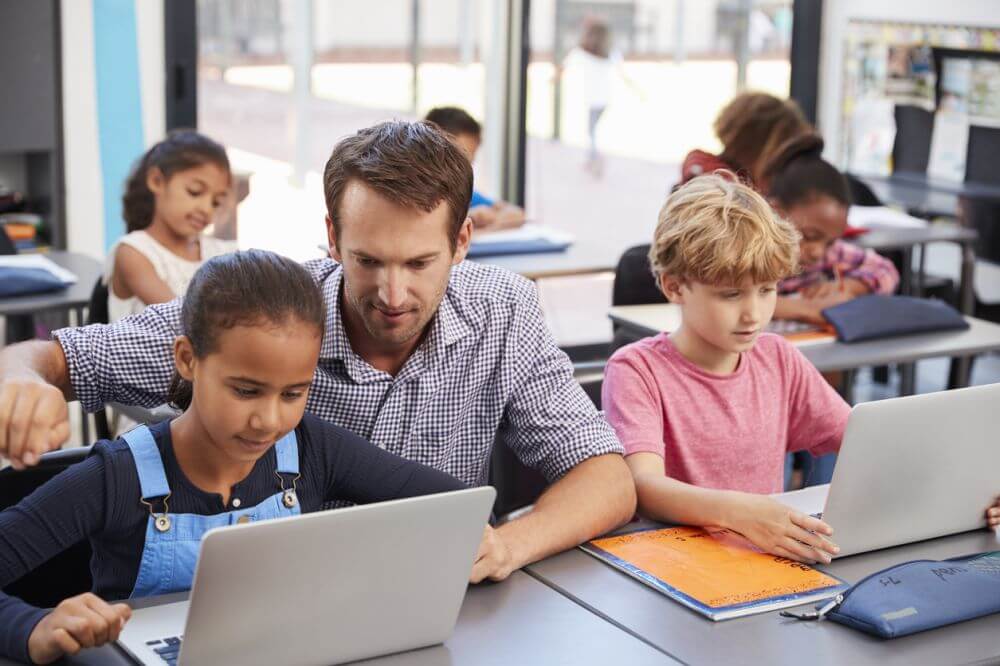
Education is the cornerstone of personal development, societal progress, and economic growth. It shapes individuals’ abilities, perspectives, and opportunities, while simultaneously influencing broader social and economic structures. The role of education extends beyond the classroom, touching aspects of technology, social mobility, and civic engagement. Understanding its multifaceted impact helps us appreciate why effective education systems are critical for the 21st century.
The Historical Evolution of Education
Education has evolved significantly over centuries, adapting to cultural, technological, and economic changes. Early forms of education focused on oral traditions and apprenticeships, emphasizing practical skills and societal values. With the invention of writing and formal schooling, knowledge became codified and more widely disseminated, allowing broader access to learning.
Key Milestones in Education
- Ancient Civilizations: Institutions like the academies of Greece and libraries of Egypt laid the foundation for structured learning.
- Middle Ages: Monasteries and cathedral schools preserved knowledge and emphasized literacy and religious studies.
- Renaissance: A revival of classical knowledge and humanism encouraged critical thinking and inquiry.
- Industrial Revolution: Formal schooling expanded to meet the needs of industrial economies, emphasizing literacy, numeracy, and vocational skills.
- 21st Century: Technology-driven education, online learning platforms, and global curricula redefine access and engagement in learning.
Types of Education
Education is no longer confined to traditional classrooms. It encompasses various modalities, each addressing different learning needs and contexts.
Formal Education
Formal education follows structured curricula provided by schools, colleges, and universities. It typically progresses through defined stages: primary, secondary, and tertiary education. This system emphasizes foundational knowledge, critical thinking, and specialized skills essential for career preparation.
Informal Education
Learning occurs outside formal institutions through life experiences, community involvement, mentorship, and self-directed study. Informal education fosters adaptability, social skills, and personal growth, often complementing formal learning.
Online and Digital Learning
The rise of digital technology has transformed access to education. Online courses, interactive platforms, and virtual classrooms provide flexible learning opportunities. These resources allow students to acquire knowledge at their own pace, bridge geographical gaps, and explore interdisciplinary subjects beyond traditional curricula.
Vocational and Technical Education
Vocational education emphasizes practical skills and industry-specific training. It prepares students for immediate workforce entry in fields like healthcare, engineering, technology, and trades. By aligning education with labor market demands, vocational programs enhance employability and economic development.
Pedagogical Approaches and Methods
Effective education depends on pedagogical strategies that facilitate learning, engagement, and skill development.
Student-Centered Learning
This approach prioritizes the learner’s interests, abilities, and pace. It encourages active participation, problem-solving, and collaboration, fostering critical thinking and creativity.
Experiential Learning
Experiential learning integrates real-world experiences with academic knowledge. Through internships, fieldwork, and project-based assignments, students develop practical skills and contextual understanding.
Blended Learning
Blended learning combines traditional classroom methods with online resources and digital tools. This hybrid approach allows flexible instruction, personalized learning, and enhanced engagement.
Inquiry-Based Learning
Inquiry-based methods emphasize curiosity and questioning. Students explore topics, conduct research, and construct knowledge independently, cultivating analytical thinking and lifelong learning habits.
The Social and Economic Impact of Education
Education is a powerful driver of societal and economic development, influencing income distribution, social mobility, and civic engagement.
Economic Growth
Well-educated populations contribute to innovation, entrepreneurship, and productivity. Skilled workers drive industries, support technological advancements, and enhance global competitiveness. Economies with higher literacy and education rates often demonstrate stronger growth and resilience.
Social Mobility and Equality
Education provides opportunities for upward mobility, reducing social inequality. Access to quality education enables individuals from diverse backgrounds to improve their living standards, pursue meaningful careers, and participate in decision-making processes.
Civic Engagement and Social Cohesion
Education fosters awareness of civic rights and responsibilities, promoting informed participation in democratic processes. Educated communities are more likely to engage in social initiatives, volunteer work, and advocacy, strengthening social cohesion and collective progress.
Health and Well-being
Education correlates with better health outcomes. Individuals with higher education levels are more likely to adopt healthy behaviors, access healthcare services, and understand public health information, contributing to overall societal well-being.
Challenges Facing Modern Education
Despite progress, education systems face persistent challenges that hinder their effectiveness and accessibility.
Inequality and Access
Disparities in access to education persist across regions, socio-economic groups, and genders. Barriers such as poverty, geographic isolation, and social discrimination limit learning opportunities for millions worldwide.
Quality of Education
High enrollment does not guarantee quality learning. Overcrowded classrooms, outdated curricula, and inadequate teacher training affect student outcomes. Education systems must focus on both accessibility and excellence.
Technological Gaps
While digital learning offers immense potential, unequal access to technology creates a digital divide. Students without reliable internet, devices, or technical literacy are disadvantaged, highlighting the need for inclusive infrastructure.
Adapting to Changing Workforce Needs
Rapid technological and economic changes demand education systems that prepare students for emerging careers. Integrating STEM education, critical thinking, and adaptability into curricula is essential for future readiness.
Innovations Shaping the Future of Education
Emerging technologies and pedagogical approaches are transforming learning experiences and expanding opportunities.
Artificial Intelligence and Adaptive Learning
AI-driven platforms provide personalized instruction, assess learning patterns, and offer tailored resources. Adaptive learning enhances student engagement, supports diverse learning styles, and helps identify areas needing improvement.
Virtual and Augmented Reality
Immersive technologies allow students to explore complex concepts through simulations and interactive experiences. Virtual laboratories, historical recreations, and virtual field trips enrich understanding and engagement.
Global Collaboration and Cross-Cultural Learning
Digital tools enable students to collaborate internationally, sharing perspectives and solving global challenges together. Cross-cultural learning fosters empathy, global awareness, and communication skills vital for the modern workforce.
Lifelong Learning
Education is increasingly recognized as a continuous process. Lifelong learning programs, professional development courses, and online certifications ensure that individuals can update skills, remain competitive, and pursue personal growth throughout life.
FAQs About Education
How does education influence economic development?
Education enhances human capital, drives innovation, and improves productivity, all of which contribute to economic growth. Skilled and educated populations support industry advancement, entrepreneurship, and global competitiveness.
What are the benefits of experiential learning?
Experiential learning bridges theory and practice, providing real-world problem-solving skills, critical thinking development, and practical knowledge application. It helps students understand concepts in context and prepares them for professional environments.
Why is digital learning important in modern education?
Digital learning expands access to education, offers flexibility, and provides interactive and personalized learning experiences. It allows learners to explore topics beyond traditional curricula and overcome geographical and temporal constraints.
What strategies improve access to quality education?
Strategies include equitable funding, teacher training, inclusive curricula, investment in technology infrastructure, and policies addressing socio-economic and gender barriers to learning.
How can education prepare students for future careers?
Education systems can integrate STEM education, problem-solving exercises, digital literacy, critical thinking, and vocational training. Exposure to real-world applications and internships also equips students with practical experience.
Education is a powerful tool that shapes individuals, societies, and economies. Its evolving nature ensures that it remains relevant in addressing the challenges of the modern world while unlocking human potential. By prioritizing quality, accessibility, and innovation, education continues to transform lives and foster sustainable development.
Comments are closed.