

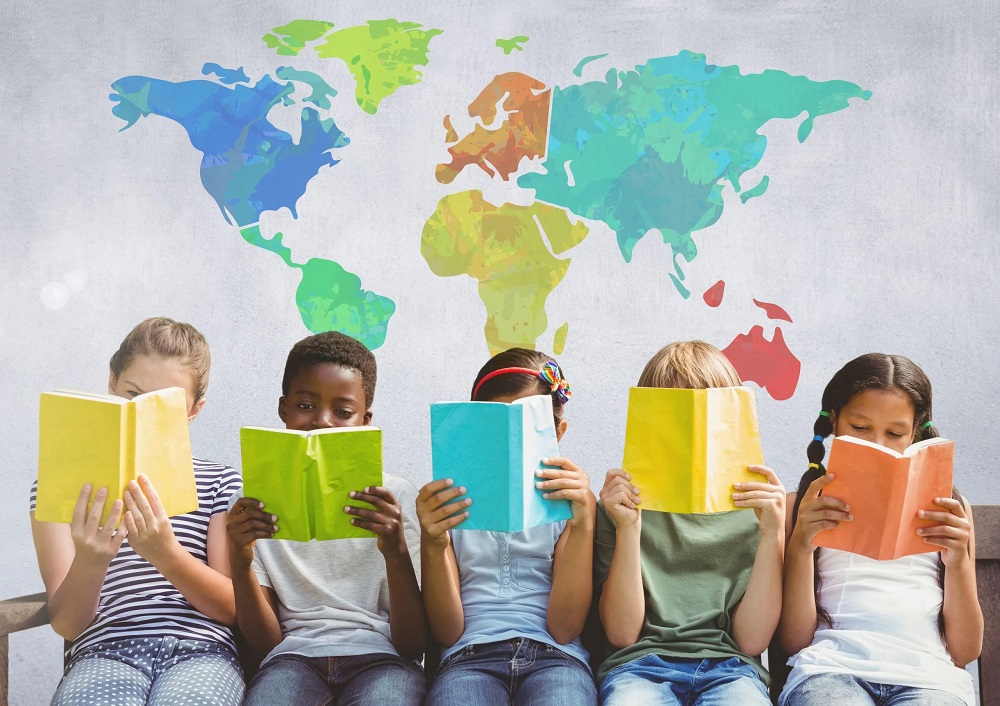
Introduction to Education
Education is the foundation of personal growth and societal development. It empowers individuals with knowledge, critical thinking, and values that enable them to navigate life effectively. Beyond academics, education shapes character, encourages innovation, and drives economic and social progress.
In a rapidly changing world, education is no longer limited to classrooms or textbooks. It has evolved into a lifelong process that adapts to technological advancements, cultural shifts, and global demands.
The Importance of Education in Society
Education plays a crucial role in strengthening individuals and communities. It equips learners with skills needed to solve problems, communicate effectively, and contribute meaningfully to society.
Key benefits of education include:
-
Economic growth through a skilled and productive workforce
-
Social equality by providing opportunities regardless of background
-
Informed citizenship that supports democratic values
-
Personal development through confidence, discipline, and creativity
Educated societies tend to be healthier, more innovative, and more resilient in the face of challenges.
Evolution of Education Systems
Traditional Education Models
Historically, education focused on rote learning, memorization, and standardized instruction. Teachers were the primary source of knowledge, and students played a largely passive role.
Modern Education Approaches
Today’s education systems emphasize:
-
Student-centered learning
-
Critical thinking and problem-solving
-
Collaborative and project-based methods
-
Integration of technology in learning environments
This shift reflects the need for adaptable learners who can thrive in complex and dynamic environments.
Role of Technology in Education
Technology has transformed how education is delivered and accessed. Digital tools have expanded learning beyond physical classrooms, making education more flexible and inclusive.
Major impacts of technology on education include:
-
Online and blended learning models
-
Personalized learning experiences
-
Access to global educational resources
-
Interactive tools that enhance engagement
When used effectively, technology bridges gaps and supports learners with diverse needs.
Challenges Facing Education Today
Despite progress, education systems worldwide face significant challenges:
-
Unequal access to quality education
-
Outdated curricula not aligned with job markets
-
Teacher shortages and training gaps
-
Digital divides between regions and communities
Addressing these issues requires coordinated efforts from governments, institutions, and communities.
The Future of Education
The future of education is expected to be more flexible, inclusive, and skills-oriented. Lifelong learning will become essential as careers evolve and new industries emerge.
Emerging trends include:
-
Competency-based learning
-
Greater focus on soft skills such as creativity and emotional intelligence
-
Use of artificial intelligence in personalized education
-
Global collaboration in learning and research
Education will continue to adapt, preparing learners not just for jobs, but for meaningful lives.
Conclusion
Education remains one of the most powerful tools for individual empowerment and societal transformation. As the world evolves, education systems must remain responsive, inclusive, and forward-thinking. By investing in quality education, societies invest in a more informed, equitable, and sustainable future.
Frequently Asked Questions (FAQs)
1. Why is education important beyond academic success?
Education develops critical thinking, values, communication skills, and emotional intelligence that are essential for everyday life and responsible citizenship.
2. How does education contribute to economic development?
A well-educated workforce increases productivity, innovation, and competitiveness, leading to sustainable economic growth.
3. What is lifelong learning in education?
Lifelong learning refers to continuous skill and knowledge development throughout life, beyond formal schooling.
4. How can education systems become more inclusive?
Inclusion can be improved through equitable access, adaptive teaching methods, assistive technologies, and culturally responsive curricula.
5. What skills are most important for future education?
Critical thinking, digital literacy, creativity, adaptability, and collaboration are considered essential future-ready skills.
6. How does education support social equality?
Education provides individuals with opportunities to improve their socio-economic status and participate fully in society.
7. What role do teachers play in modern education?
Teachers act as facilitators and mentors, guiding learners, encouraging curiosity, and supporting personalized learning paths.
Comments are closed.