

The automotive sector has long been a cornerstone of global economic development, shaping technology, society, and mobility in profound ways. From the invention of the first automobile in the late 19th century to the cutting-edge electric and autonomous vehicles of today, the auto industry has continually evolved, redefining transportation and driving innovation across multiple sectors. Understanding this evolution provides insight into technological trends, economic impact, and societal changes that continue to shape the future of mobility.
The History of Automobiles
The story of the automobile begins with experimentation and invention. Early vehicles were powered by steam, electricity, and internal combustion engines, each offering unique advantages and limitations. By the early 20th century, Henry Ford’s introduction of the assembly line revolutionized production, making automobiles more affordable and accessible to the general public. This period marked a pivotal shift, transforming cars from luxury items to essential tools for modern life.
Key Milestones in Automotive History
- 1886: Karl Benz invents the first practical automobile powered by an internal combustion engine.
- 1908: Introduction of the Ford Model T, which became the first mass-produced car for the average consumer.
- 1930s-1950s: The expansion of road infrastructure fuels automobile adoption, influencing urban development.
- 1970s: Oil crises spur research into fuel efficiency and alternative energy sources.
- 2000s-Present: Emergence of electric vehicles (EVs), hybrid technology, and autonomous driving systems.
Types of Automobiles
Modern automobiles are classified based on their power source, design, and functionality. Understanding these categories is crucial for consumers and industry stakeholders alike.
Internal Combustion Engine Vehicles
Traditional cars powered by gasoline or diesel engines remain prevalent worldwide. Despite the shift toward electric vehicles, internal combustion engines still dominate due to established infrastructure, affordability, and familiarity.
Electric Vehicles
Electric vehicles (EVs) represent the future of sustainable transportation. Powered by rechargeable batteries, EVs reduce greenhouse gas emissions and reliance on fossil fuels. Recent advancements in battery technology have increased driving range and reduced charging time, making EVs a viable option for mainstream consumers.
Hybrid Vehicles
Hybrid cars combine internal combustion engines with electric motors, offering improved fuel efficiency and reduced emissions. These vehicles bridge the gap between traditional gasoline-powered cars and fully electric alternatives, providing flexibility for drivers who may face limited EV infrastructure.
Autonomous Vehicles
Self-driving cars are no longer just a concept. Advances in artificial intelligence, sensor technology, and machine learning have enabled semi-autonomous and fully autonomous vehicles to navigate complex environments. These innovations promise to enhance safety, reduce traffic congestion, and transform urban planning.
Technological Advancements in the Auto Industry
The auto industry has historically been a hotbed of technological innovation, with each era bringing new advancements that redefine the driving experience.
Safety Innovations
Modern cars are equipped with features such as adaptive cruise control, lane-keeping assistance, blind-spot monitoring, and automated emergency braking. These systems have significantly reduced the risk of accidents and improved overall road safety.
Connectivity and Infotainment
Automobiles today are increasingly connected, offering GPS navigation, real-time traffic updates, and smartphone integration. Infotainment systems enhance user experience and allow drivers to remain productive and entertained during commutes.
Green Technology
Environmental concerns have driven the development of fuel-efficient engines, hybrid systems, and electric drivetrains. Car manufacturers are investing heavily in renewable energy solutions and lightweight materials to reduce carbon footprints and improve sustainability.
Advanced Manufacturing
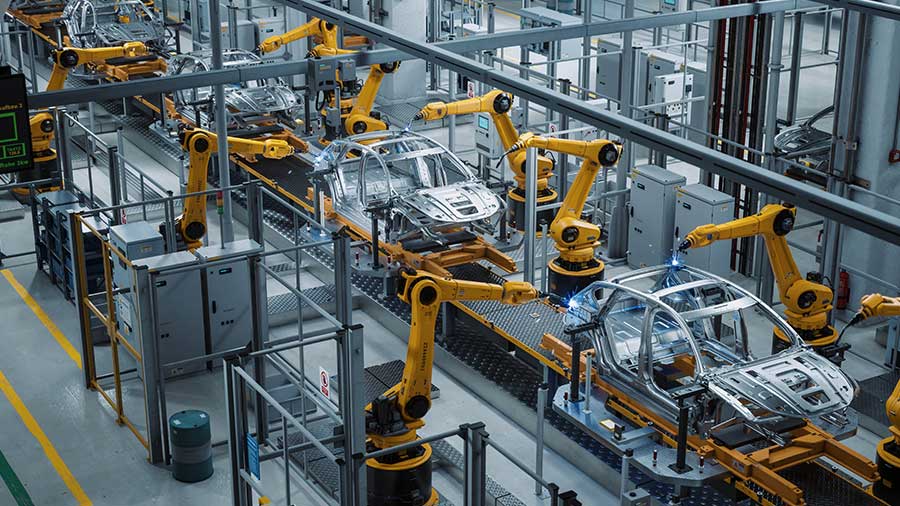
3D printing, robotics, and AI-driven quality control are transforming automotive production. These innovations enable faster design iterations, reduce production costs, and enhance precision and reliability in manufacturing processes.
Economic and Social Impact
The auto industry has far-reaching implications for both economies and societies.
Employment and Economic Contribution
Automobile manufacturing supports millions of jobs worldwide, from assembly line workers to engineers and software developers. The industry contributes significantly to GDP, trade, and innovation in related sectors such as steel, electronics, and logistics.
Urban Development and Mobility
Cars have influenced city planning, commuting patterns, and suburban growth. While personal vehicles offer convenience, they have also contributed to traffic congestion, urban sprawl, and environmental pollution. As a result, cities are increasingly integrating public transportation, bike lanes, and pedestrian-friendly designs alongside traditional road networks.
Environmental Considerations
Automobiles are a major source of greenhouse gas emissions. Efforts to produce cleaner engines, adopt electric drivetrains, and improve fuel efficiency are essential to mitigating environmental impacts. Policies promoting sustainable transportation and emission standards play a crucial role in shaping the industry’s future.
Trends Shaping the Future of the Auto Industry
As the world moves toward sustainability and technological integration, several key trends are defining the automotive landscape.
Electric Mobility
EV adoption is accelerating globally, driven by government incentives, rising fuel prices, and consumer demand for environmentally friendly alternatives. Battery technology advancements and expanded charging infrastructure are critical factors in mainstream EV acceptance.
Autonomous Driving
The development of fully autonomous vehicles promises to revolutionize transportation. Self-driving technology could reduce accidents, lower transportation costs, and redefine logistics and ride-sharing industries.
Shared Mobility
Ride-hailing services, car-sharing platforms, and micro-mobility options are reshaping urban mobility. Shared transportation reduces the number of vehicles on the road, decreases emissions, and offers cost-effective alternatives for city dwellers.
Smart Manufacturing and Industry 4.0
Automation, robotics, and data-driven production are streamlining manufacturing processes. These innovations enhance efficiency, reduce waste, and enable the creation of customized vehicles tailored to consumer preferences.
Challenges Facing the Auto Industry
Despite its advancements, the auto industry faces numerous challenges that must be addressed for sustainable growth.
Regulatory Compliance
Governments impose strict safety and emission standards that manufacturers must navigate. Compliance requires significant investment in research, testing, and production adaptation.
Supply Chain Disruptions
Global supply chains are increasingly complex, with reliance on critical components such as semiconductors and lithium-ion batteries. Disruptions can lead to production delays and increased costs.
Environmental Pressure
Automakers face growing scrutiny regarding carbon emissions and environmental sustainability. Transitioning to green technologies while maintaining profitability is a delicate balance.
Market Competition
The auto industry is highly competitive, with traditional manufacturers and new entrants, particularly in the EV sector, vying for market share. Innovation, branding, and customer experience play pivotal roles in maintaining competitive advantage.
FAQs About the Auto Industry
What is the difference between electric and hybrid cars?
Electric cars run solely on battery power, producing zero tailpipe emissions. Hybrid cars combine an internal combustion engine with an electric motor, offering fuel efficiency while retaining the option of gasoline use.
How safe are autonomous vehicles?
Autonomous vehicles are equipped with advanced sensors and AI systems designed to reduce human error. While still in testing phases, studies suggest they can significantly improve road safety under controlled conditions.
What factors influence car prices?
Car prices are determined by production costs, raw material availability, technological features, market demand, and regulatory requirements. High-end features like advanced safety systems and EV drivetrains can increase vehicle cost.
How is the auto industry addressing climate change?
The industry is investing in electric mobility, hybrid systems, sustainable manufacturing practices, and lightweight materials. Governments worldwide also incentivize cleaner vehicle adoption through tax credits and emissions standards.
Are shared mobility solutions replacing traditional car ownership?
Shared mobility options such as car-sharing and ride-hailing complement rather than fully replace personal car ownership. They provide convenient, cost-effective alternatives, particularly in urban areas, while reducing overall traffic congestion.
The auto industry continues to shape modern society through innovation, mobility solutions, and economic contributions. Its trajectory points toward a future where technology, sustainability, and consumer needs intersect, creating a dynamic and transformative landscape for transportation worldwide.
Comments are closed.