

Introduction to the Auto Industry
The auto industry is one of the most influential sectors in the global economy, driving innovation, employment, and technological progress. Automobiles have transformed the way people commute, transport goods, and experience mobility. As consumer expectations rise, manufacturers continue to innovate with smarter, cleaner, and more efficient vehicles.
Evolution of Automobiles
Early Development of Cars
The earliest automobiles relied on steam power and rudimentary internal combustion engines. These vehicles were slow, expensive, and accessible only to a small segment of society.
Rise of Mass Production
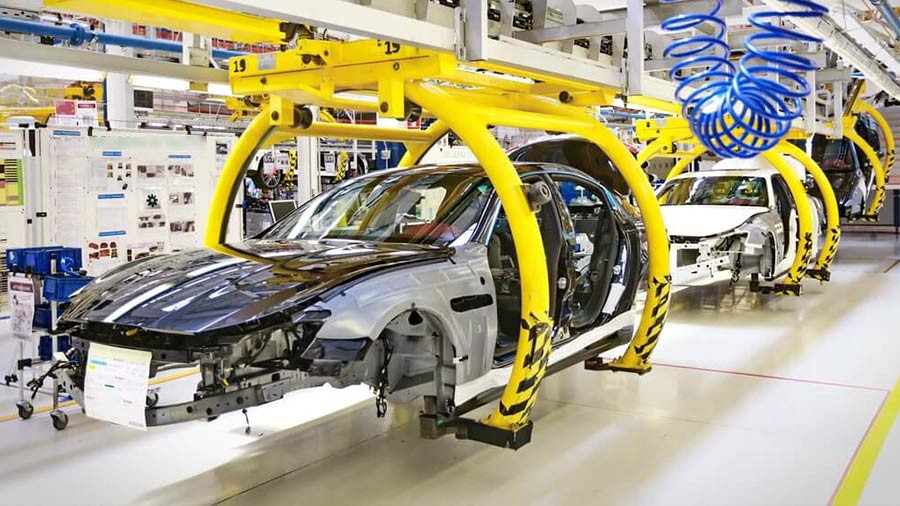
The introduction of assembly-line manufacturing changed the auto industry forever. Vehicles became affordable, reliable, and widely available, leading to rapid urbanization and economic growth.
The Digital and Electric Era
Modern automobiles now feature advanced electronics, onboard computers, and electric powertrains, marking a shift toward sustainability and connectivity.
Types of Automobiles
Different vehicle categories are designed to meet varying needs and driving conditions.
Passenger Vehicles
Passenger cars dominate the auto market and focus on comfort, efficiency, and style.
-
Sedans for balanced performance and comfort
-
Hatchbacks for city driving and fuel efficiency
-
SUVs for space, safety, and versatility
-
Coupes and Convertibles for sporty appeal
Commercial Vehicles
These vehicles are designed for transporting goods and passengers at scale.
-
Trucks and pickup vehicles
-
Buses and vans
-
Delivery and logistics vehicles
Electric and Hybrid Vehicles
Electric and hybrid models are gaining popularity due to environmental concerns and fuel savings.
-
Battery electric vehicles (EVs)
-
Plug-in hybrids
-
Mild hybrid systems
Key Automotive Technologies
Engine and Powertrain Innovations
Modern engines are designed to maximize performance while reducing emissions. Technologies like turbocharging, direct fuel injection, and electric drivetrains have transformed efficiency.
Safety Features
Automobiles today prioritize occupant and pedestrian safety through:
-
Anti-lock braking systems (ABS)
-
Airbags and reinforced frames
-
Advanced driver assistance systems (ADAS)
Connectivity and Infotainment
Smart vehicles now offer seamless connectivity with features such as:
-
Touchscreen infotainment systems
-
Smartphone integration
-
Real-time navigation and diagnostics
Importance of the Auto Industry
The auto sector supports millions of jobs worldwide and contributes significantly to economic development. It also influences infrastructure planning, energy consumption, and environmental policies.
Future Trends in the Auto Industry
The future of automobiles is shaped by innovation and sustainability.
-
Autonomous driving technology continues to advance
-
Electric vehicle adoption is accelerating globally
-
Shared mobility services are redefining car ownership
-
Lightweight materials are improving efficiency and safety
Frequently Asked Questions (FAQs)
What is the auto industry?
The auto industry includes companies involved in designing, manufacturing, selling, and maintaining automobiles and related components.
Why are electric vehicles becoming popular?
Electric vehicles offer lower emissions, reduced fuel costs, and advanced technology, making them environmentally and economically attractive.
How does technology impact modern cars?
Technology improves safety, fuel efficiency, comfort, and connectivity through digital systems and smart features.
What is the difference between hybrid and electric cars?
Hybrid cars use both fuel and electricity, while electric cars rely entirely on battery power.
Are autonomous vehicles safe?
Autonomous vehicles are still under development, but advanced safety systems aim to reduce accidents caused by human error.
How does the auto industry affect the economy?
It generates employment, supports manufacturing, and drives innovation across multiple industries.
What trends will shape future automobiles?
Electric mobility, automation, connectivity, and sustainable manufacturing will define the future of the auto industry.
Comments are closed.